

Chief Adviser Urges Environment-Friendly Integrated Transport Development

- আপডেট : রবিবার, ২ নভেম্বর, ২০২৫
- ১১৪ বার দেখা হয়েছে
National Desk
Lead:
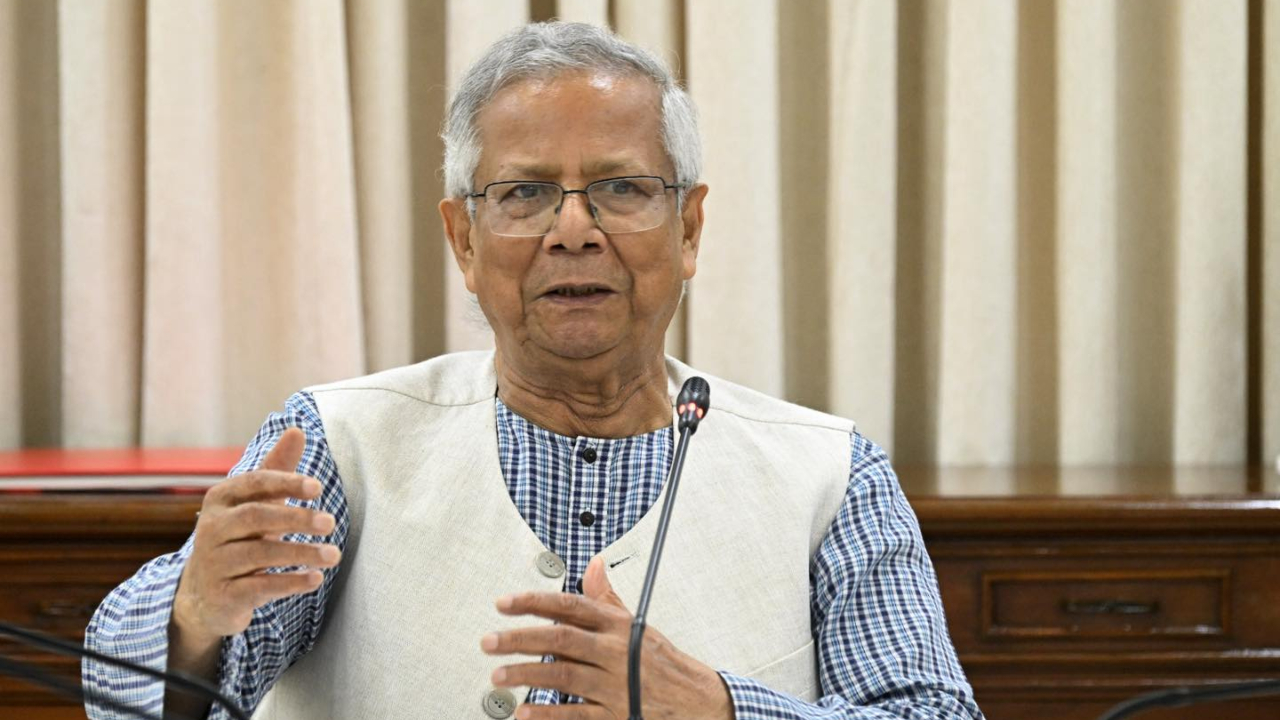
Chief Adviser Professor Muhammad Yunus has called for accelerating the integrated development of the country’s road, rail, air, and waterways while ensuring that nature, the environment, and rivers remain unharmed.
Body:
On Sunday (November 2), the Chief Adviser made the call at an inter-ministerial meeting on the marginal evaluation and strategic planning of the “Central Integrated Multimodal Transport Sector Master Plan of Bangladesh” held at the State Guest House Jamuna in Dhaka. The information was confirmed through a press release from the Chief Adviser’s Press Wing.
“We must carry out this development without harming the environment. The river must not be damaged, the water must be kept calm, and we must remember that water is a vital resource for us,” said Professor Yunus. He added that the country’s current transport system is in a disorganized state and warned that if it is not brought under discipline soon, it may become a burden on the economy.
Planning Adviser Dr. Wahiduddin Mahmud, Road Transport, Bridges and Railways Adviser Muhammad Fouzul Kabir Khan, Civil Aviation and Tourism Adviser Sheikh Bashir Uddin, Shipping Adviser Brig. Gen. (Retd.) Dr. M. Sakhawat Hossain, Local Government, Rural Development and Cooperatives Adviser Asif Mahmud Sajib Bhuiyan, Chief Adviser’s Special Assistant on Road, Transport, Bridges and Railways Dr. Sheikh Moinuddin, Executive Chairman of the Bangladesh Investment Development Authority (BIDA) and Bangladesh Economic Zones Authority (BEZA) Chowdhury Ashik Mahmud Bin Harun, and Chief Adviser’s Special Assistant on the Ministry of Posts, Telecommunications and Information Technology Faiz Ahmad Taiyeb, among other senior officials, attended the meeting.
During the session, the Roads and Highways Department presented a preliminary strategic plan, prepared through coordination among the relevant ministries. The plan outlines how the overall transport system can be streamlined through coordination among the existing communication networks and by implementing necessary reforms and extensions.
According to the presentation, effective utilization and limited expansion of the country’s existing roadways, railways, and waterways could bring significant improvements to the transport sector.
Commending the officials for formulating the coordinated plan, Professor Yunus described it as a strong initial concept and stressed the need for effective implementation. He emphasized that the plan should be designed with the country’s economic prosperity in mind, giving importance not only to domestic connectivity but also to regional and global transport systems.
“When we think of rivers as a means of communication, we must keep in mind that they are our lifeline,” the Chief Adviser said, reiterating the importance of balancing development with environmental responsibility.
Chief Adviser’s Special Assistant Dr. Sheikh Moinuddin said efforts are underway to establish a comprehensive model for the transport sector that will enhance the country’s economic lifeline.
Planning Adviser Dr. Wahiduddin Mahmud noted that quick action is needed in areas where regional connectivity can be achieved by constructing just a few small roads.
Local Government Adviser Asif Mahmud Sajib Bhuiyan informed the meeting that a “Planners’ Wing” is being established under the Local Government Division to make the ministry’s development activities more structured and strategic.
BIDA and BEZA Chairman Chowdhury Ashik Mahmud Bin Harun said that three new ports will be launched in Chattogram by 2030. “Considering this, immediate initiatives must be taken to ensure smooth and effective road connectivity with these ports,” he added.
Advisers and senior officials present at the meeting agreed that a coordinated transport system — integrating road, rail, air, and waterways — would significantly enhance the country’s economic growth. They observed that once implemented, the plan would reduce domestic transport costs, boost regional trade, and improve connectivity between major industrial hubs and the capital.






প্রধান সম্পাদক: রাশিদুল হাসান বুলবুল
২৭/১১/২ তোপখানা রোড, সেগুনবাগিচা, ঢাকা - ১০০০
ফোন: ৮৪১৮১৪৪, মোবাইল: ০১৭৫৯৫১৬৭১৬, ০১৭৩৬৬১১৮১১,
E-mail: deshmedia1@gmail.com